
Spain has no rule against foreigners owning property, and Mallorca is no exception. A buyer from London, Munich or New York signs the same deed as a buyer from Palma.
What changes from one purchase to the next is the order of things. Done in the right order, a purchase on the island usually takes six to ten weeks from the first offer to the keys. Done in the wrong order, it stalls at the notary.
First: a tax number and a Spanish account
Every buyer needs an NIE, the identification number for foreigners. It is required before you sign anything binding, and it can be requested at a Spanish consulate before you travel or through a lawyer on the island with a power of attorney.
Open a Spanish bank account at the same time. The price, the taxes and later the utility bills will all go through it.
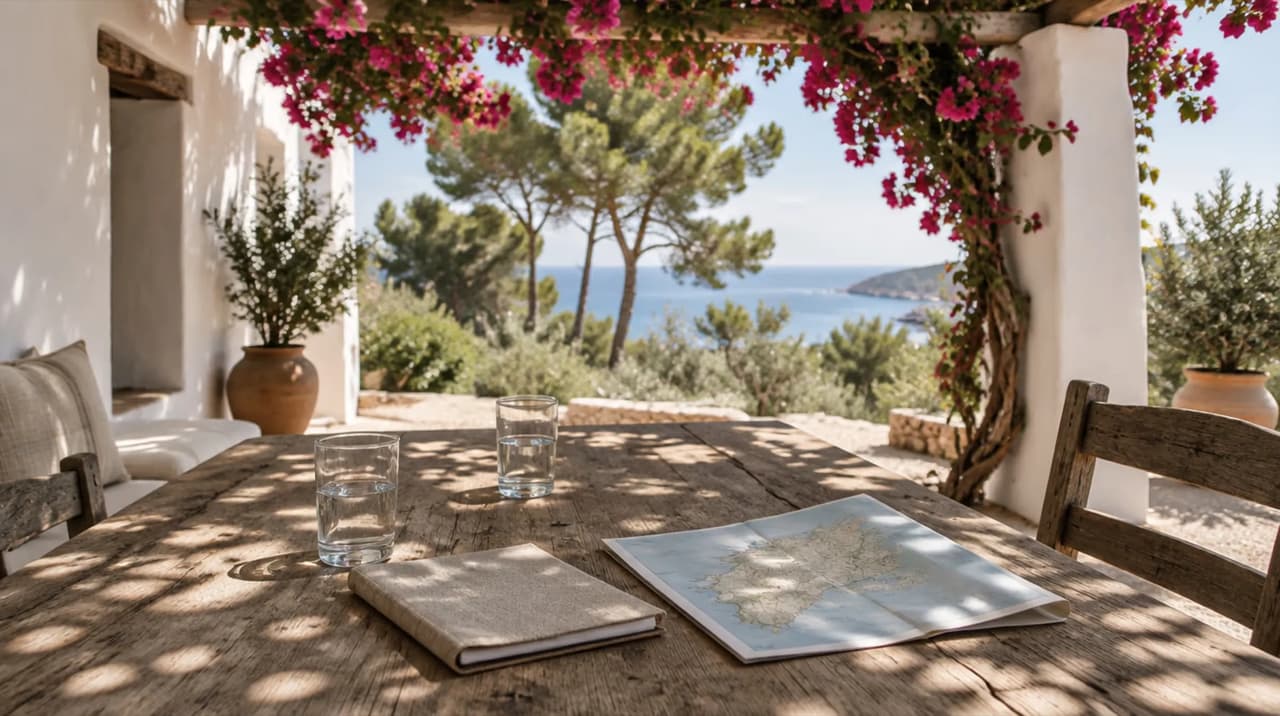
The checks before you sign
A lawyer independent from the seller reviews the house before any money changes hands. On Mallorca, the checks that matter most are:
- the nota simple from the land registry: who owns the house, and whether a mortgage or a charge is registered on it;
- the building and planning situation: are the pool, the extension, the guest house all declared? On rustic land, this is where most surprises hide;
- the licences: the certificate of occupation, the energy certificate, and a holiday rental licence if one is part of the sale;
- the unpaid bills: property tax (IBI), community fees, utilities.
The reservation and the deposit contract
Once the checks are clear, buyer and seller usually sign a private purchase contract with a deposit, often 10 % of the price. In the most common form, the arras penitenciales, a buyer who walks away loses the deposit and a seller who walks away pays it back twice.
The contract fixes the price, the date of the deed, what stays in the house and who pays which costs. Read it with your lawyer, not after.
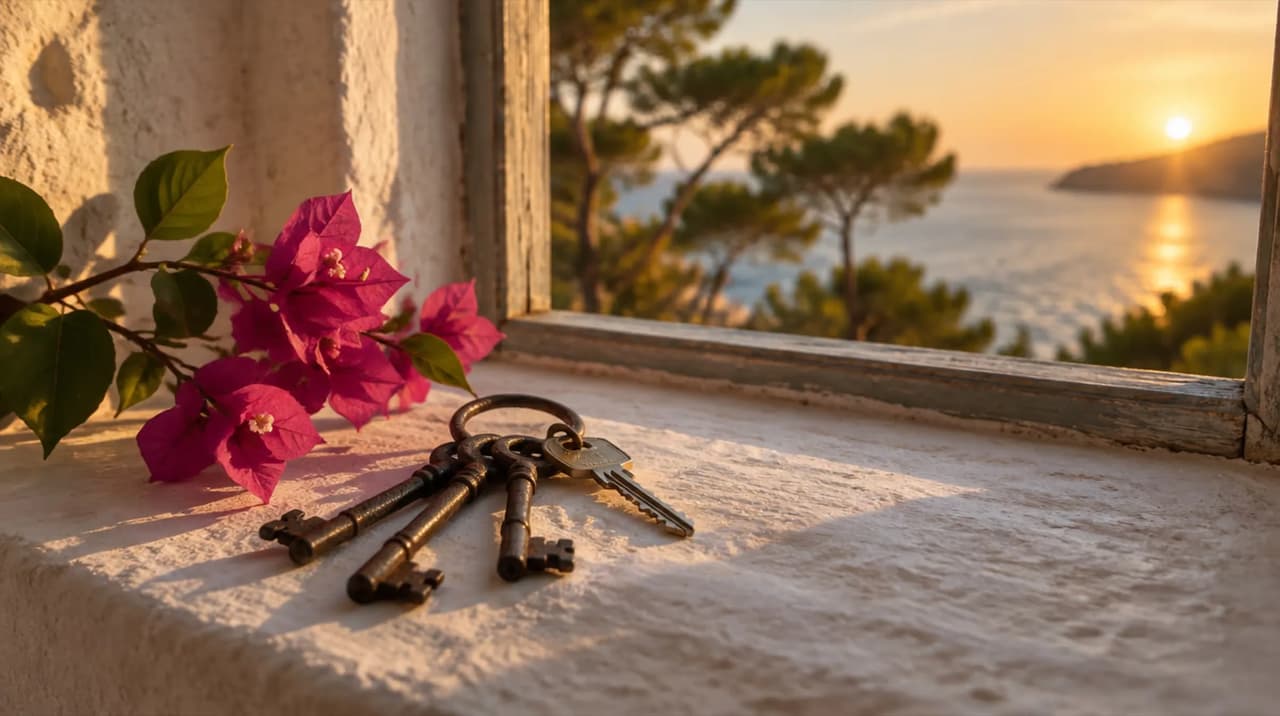
At the notary
The sale is completed by a public deed signed before a Spanish notary. The notary reads the deed aloud, checks identities and the payment, and the keys change hands the same day.
If you cannot attend, your lawyer can sign for you with a power of attorney. If the deed is not in your language, an interpreter or a sworn translation is required.
After the keys
- The transfer tax (on a resale) or the VAT and stamp duty (on a new build) is paid within about a month of the deed. Your lawyer or gestor files it.
- The deed is then registered in your name at the land registry. Until it is, the house is not fully yours against third parties.
- Utilities, insurance and the IBI are transferred to your name.
- As a non-resident owner, you file an annual tax return (Modelo 210) for the house, even if you never rent it.
Questions buyers ask
Can I buy on Mallorca without living in Spain?
Can I buy on Mallorca without living in Spain?
Yes. There is no residency or nationality requirement to own property in Spain. You need an NIE, a Spanish bank account and, in practice, a lawyer.
How long does a purchase take?
How long does a purchase take?
Usually six to ten weeks from the accepted offer to the deed, longer if documents are missing or if a mortgage is involved.
Do I have to be at the notary in person?
Do I have to be at the notary in person?
No. A lawyer can sign for you with a power of attorney, which you can sign at a Spanish consulate or before a notary in your country with an apostille.
What should I budget on top of the price?
What should I budget on top of the price?
On a resale, roughly 10 to 15 % for the transfer tax, notary, registry and legal fees. Our article on the cost of buying goes through each line.
Looking for a house on Mallorca?
Tell us what you are looking for, where and by when. One person reads it, puts together a short list and calls you back.